Aluminum-Compatible Screws

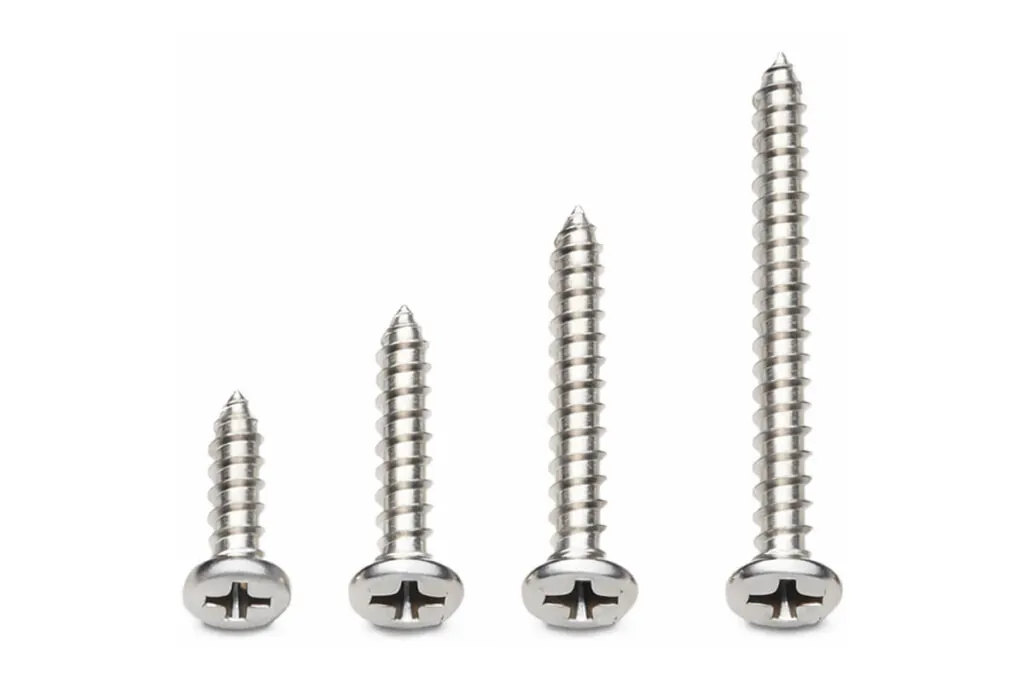
This image shows a line of aluminum compatible stainless steel screws

Definition of Aluminum-Compatible Screws

Aluminum-compatible screws are fasteners specifically selected or engineered by custom screw manufacturers to join aluminum substrates without inducing galvanic corrosion or mechanical damage to the parent material. Because aluminum is anodic relative to many common metals, contact with dissimilar metals in the presence of an electrolyte accelerates corrosion of the aluminum component.

Material compatibility, thread form geometry, and surface coating must all be considered when specifying aluminum-compatible screws. These fasteners are widely used in HVAC equipment housings, solar panel mounting systems, electronic enclosures, automotive trim assemblies, and architectural aluminum extrusion systems.

Why It Matters for Screws and Fasteners

Material Selection and Galvanic Series Compatibility
Custom screw manufacturers producing aluminum-compatible screws must select base materials that sit close to aluminum in the galvanic series. 300-series stainless steel and aluminum alloy fasteners have relatively small galvanic potential difference compared to carbon steel or brass. In applications where dissimilar metals cannot be avoided, barrier coatings, insulating washers, or sealant isolation techniques are used to interrupt the corrosion cell. The choice of plating or anodizing on aluminum-compatible screws also affects long-term joint integrity.

Thread Form for Aluminum Substrates
Tapping into aluminum requires a thread form that displaces material without generating excessive heat or swarf. Thread-forming screws with low-friction coatings, or screws cut to close tolerances by custom screw manufacturers, minimize the risk of galling or stripping thin-wall aluminum sections. Pitch selection matters significantly: too coarse a pitch reduces thread engagement per unit length, while too fine a pitch creates difficulty driving in soft alloys without binding.

Coating and Surface Finish Considerations
Aluminum-compatible screws may be finished with clear or black anodizing, PTFE coatings, or nickel plating depending on environmental exposure and aesthetic requirements. Coatings must adhere to the base material through the full drive cycle without flaking, which would compromise both appearance and corrosion protection. Custom screw manufacturers validate coating adhesion through salt spray testing per ASTM B117 and cross-hatch adhesion tests.

FAQ

How do custom screw manufacturers select thread pitch and drive type for aluminum-compatible screws used in thin-wall aluminum extrusion assemblies?

For thin-wall aluminum extrusion assemblies, custom screw manufacturers designing aluminum-compatible screws typically specify a fine-to-medium metric pitch, commonly M3 to M6 at 0.5 to 1.0 mm pitch, to maximize thread engagement within the limited wall thickness available. A thread-forming profile rather than a thread-cutting design is preferred because it displaces material rather than removing it, preserving more wall strength. Drive type selection favors Torx or hexalobular geometries that allow higher torque transfer without cam-out risk. Manufacturers such as Cheng Hao can customize both pitch and recess geometry to match specific extrusion wall thickness requirements.

What galvanic corrosion risk must be managed when specifying aluminum-compatible screws for outdoor HVAC or solar mounting applications?

In outdoor HVAC or solar mounting applications, aluminum-compatible screws must be evaluated for galvanic compatibility with both the aluminum substrate and any dissimilar metals in the assembly. The primary risk is the formation of a corrosion cell when stainless steel or carbon steel fasteners contact aluminum in the presence of rainwater or condensation. To mitigate this, specify stainless steel grades 304 or 316 for aluminum-compatible screws, as the galvanic potential difference is smaller than with carbon steel. Applying a bead of neutral-cure silicone sealant around the fastener head provides a physical barrier against electrolyte ingress and significantly extends joint life in exposed conditions.

How can custom screw manufacturers validate that aluminum-compatible screws meet the torque specification required for anodized aluminum panel assembly?

Custom screw manufacturers validate aluminum-compatible screw torque specifications by conducting installation testing in representative anodized aluminum panels at the actual wall thickness and alloy grade specified. Torque audit testing measures the drive torque to full seating, the prevailing torque if a thread-locking feature is present, and the strip torque at which the thread fails. The ratio of strip torque to drive torque, the torque window, must be sufficiently wide to allow consistent power tool installation without risk of over-torquing. Cheng Hao provides torque specification sheets derived from application-specific testing, allowing customers to validate aluminum-compatible screw performance against their assembly process torque budget.

inquire now