
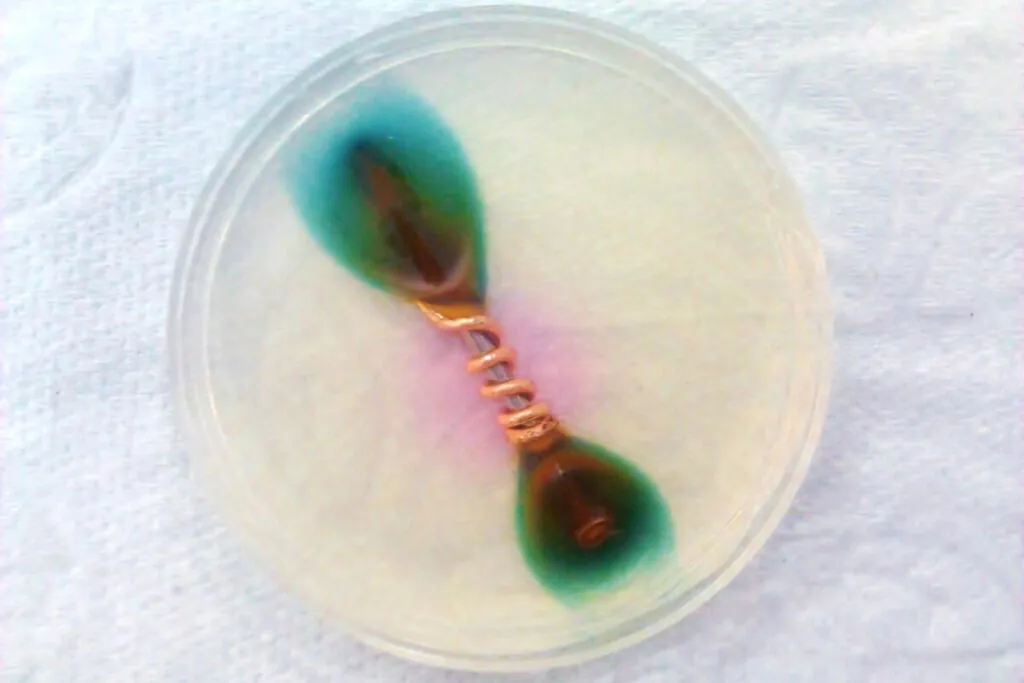
It occurs when a screw made of one metal touches a component of another metal in the presence of an electrolyte. Differences in electrochemical potential drive ion movement, corroding the more active (anodic) metal.
Use the same metal for mating parts or choose metals close in the galvanic series. Apply protective coatings, use insulating washers or sleeves, and seal joints to keep moisture and salts away.
High-risk pairs include steel-aluminum, copper-steel, and brass-aluminum. The greater the electrochemical potential difference, the faster the anodic metal will corrode.

| Service | Cookies | Description |
|---|---|---|
| Google Analytics | _gat_gtag, _ga, _gid | Used to distinguish users and sessions for web statistics purposes. |
| Service | Cookies | Description | |
|---|---|---|---|
| Google Analytics | _gat_gtag, _ga, _gid | Used to distinguish users and sessions for web statistics purposes. |