
Coarse Metric Threads

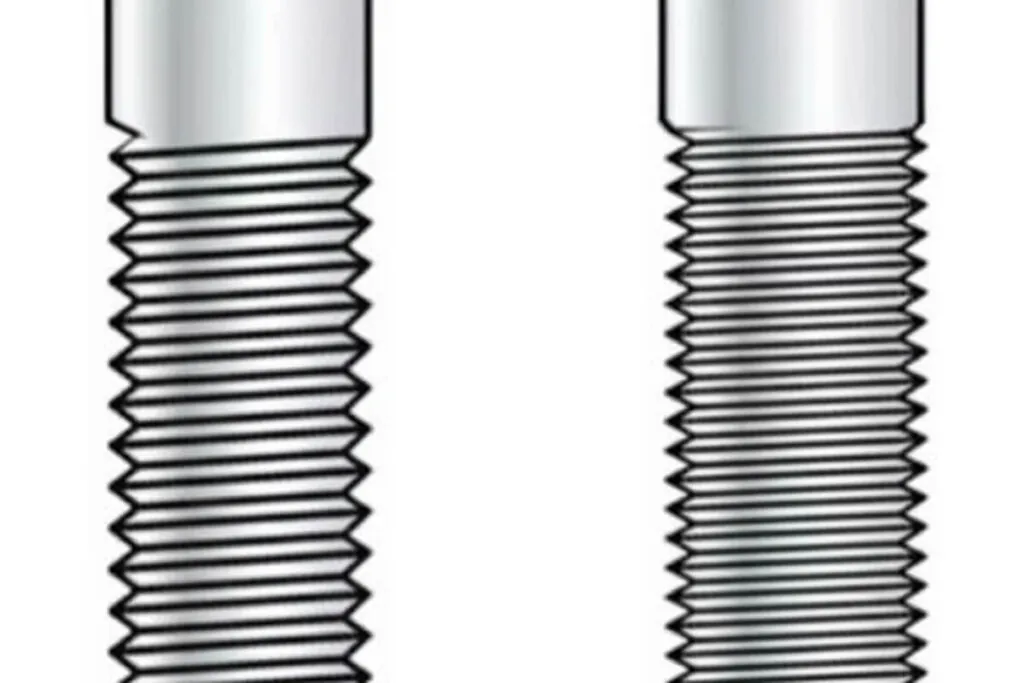
This image shows a comparison between coarse metric threads and fine metric threads - Taiwan Screw Manufacturer

Definition of Coarse Metric Threads

Coarse metric threads are the standard thread profile used in most metric fasteners, defined by ISO standards. They have a larger pitch compared to fine metric threads, meaning the distance between thread peaks is wider. This design allows faster assembly and greater tolerance for dirt or minor damage during installation. Coarse metric threads are the default choice in general-purpose bolts, screws, and nuts. They provide reliable strength while being easier to produce and assemble. Buyers and engineers choose coarse threads for applications where speed, durability, and broad compatibility are more important than precision adjustments.

Why It Matters for Screws and Fasteners

Coarse metric threads are easier to start and less likely to cross-thread. This reduces labor time and assembly errors, especially in large production runs.Because the threads are deeper and stronger, they perform better in softer materials or when the joint may face vibration or impact. You benefit from longer service life and fewer failures.If you specify fasteners for export, using coarse metric threads ensures global compatibility since they are recognized as the ISO default standard.

FAQ

What is the main difference between coarse and fine metric threads?

Coarse metric threads have a larger pitch, making them easier to assemble and more tolerant of dirt. Fine threads have smaller pitch for precision and higher tensile strength.

When should I choose coarse metric threads over fine threads?

Use coarse threads for general applications, softer materials, and fast assembly. Choose fine threads for precision adjustments or high-strength requirements.

Are coarse metric threads the same worldwide?

Yes, they follow ISO standards, making them the global default metric thread system.

inquire now