
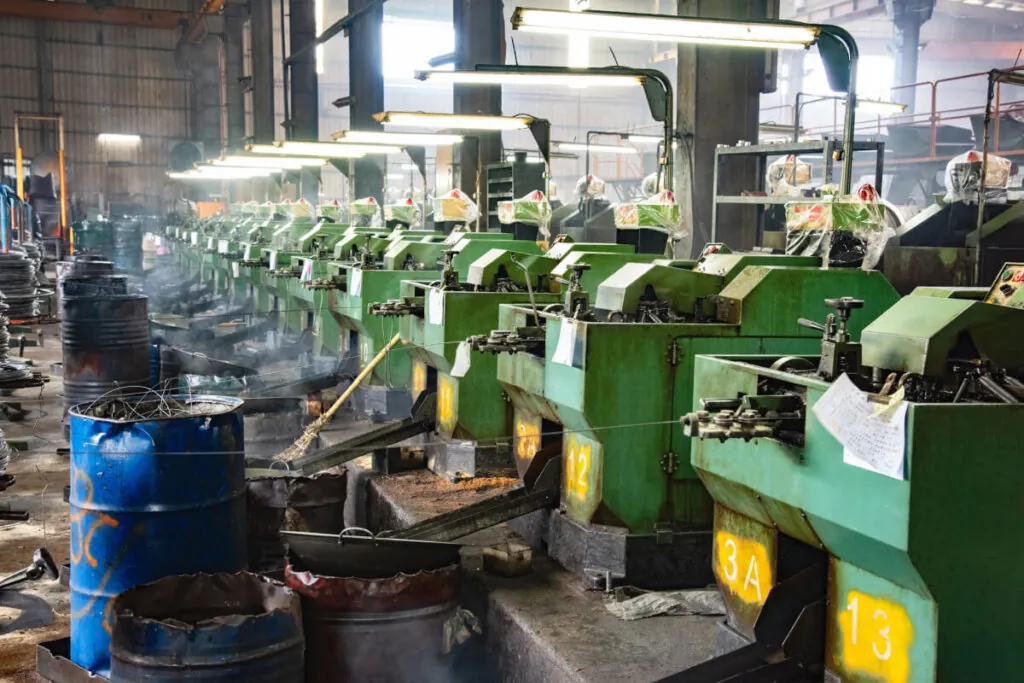
Common materials include low-carbon and medium-carbon steels, stainless steels, and some aluminum alloys. These metals have enough ductility to flow under pressure without cracking. Engineers choose materials based on strength requirements, corrosion resistance, and compatibility with the cold forming dies.
Cold formed screws deliver consistent thread geometry, high fatigue resistance, and improved mechanical properties thanks to work hardening. You also lower costs by minimizing machining steps and material scrap. The process suits mass production, offering rapid cycle times and uniform quality.
Yes. Cold forming enhances tensile strength and fatigue life by refining grain structure and inducing compressive stresses on the surface. This makes cold formed screws more resistant to shear and pull-out forces, ensuring reliable performance in critical assemblies.

| Service | Cookies | Description |
|---|---|---|
| Google Analytics | _gat_gtag, _ga, _gid | Used to distinguish users and sessions for web statistics purposes. |
| Service | Cookies | Description | |
|---|---|---|---|
| Google Analytics | _gat_gtag, _ga, _gid | Used to distinguish users and sessions for web statistics purposes. |