
Hex Head Construction Screws

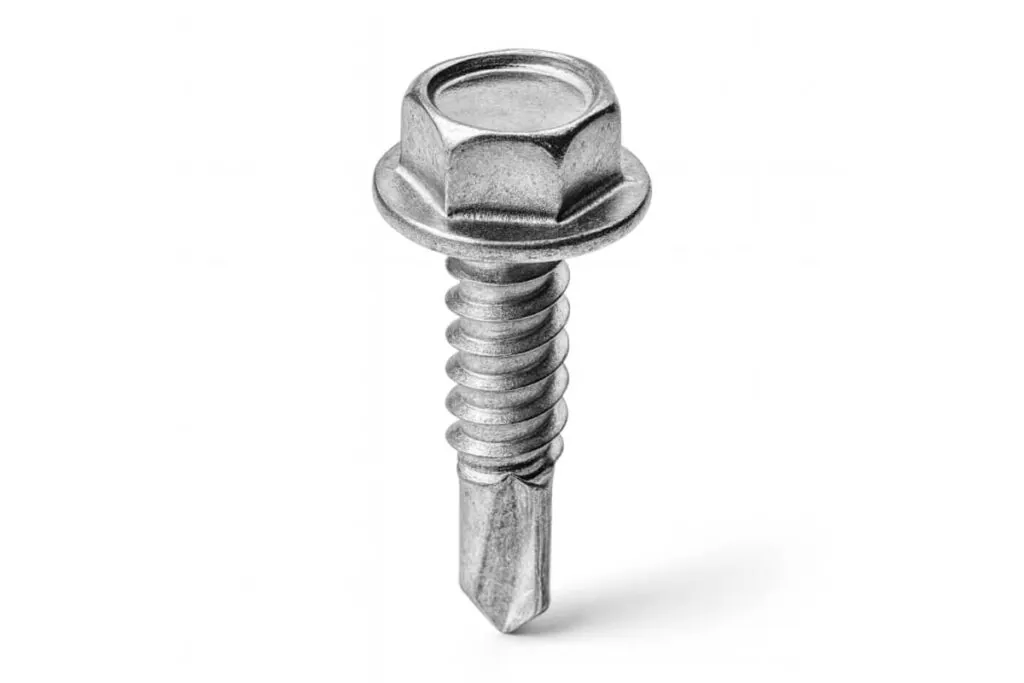
This image shows a single hex head construction screw on a white background

Definition of Hex Head Construction Screws

Hex head construction screws are heavy-duty fasteners featuring a six-sided head designed for use with a wrench or hex driver. These screws are commonly used in structural framing, decking, and heavy timber construction due to their strong drive engagement and high torque capability. The hex head allows for greater driving force compared to Phillips or square drive screws, reducing the risk of cam-out during installation.Often made from carbon steel or stainless steel, these screws may come with coarse threads and self-tapping or self-drilling tips, depending on the material being fastened. Their design makes them ideal for fastening thick lumber, sheet metal, or engineered wood products in demanding construction environments.

Why It Matters for Screws and Fasteners

Hex head construction screws offer superior torque transmission, making them ideal for high-strength applications. You can drive them quickly with power tools, even into tough materials, without slipping or stripping the head.For engineers and builders, these screws provide reliable performance in structural joints, helping meet safety standards and load requirements. Their ease of use also helps reduce labor time and error rates on the job site. If you’re looking for secure, high-load fastening, hex head screws are often the go-to choice.

FAQ

What tools are needed to install hex head construction screws?

You can use a socket wrench, nut driver, or power drill with a hex bit. These tools allow you to apply more torque than with traditional screwdrivers.

Are hex head construction screws stronger than other screw types?

Yes, the hex head design allows for higher torque without stripping, making them suitable for structural and load-bearing applications. Their strength also depends on the screw material and thread design.

What’s the difference between a hex head screw and a lag bolt?

Hex head screws typically have a sharp point and can self-tap into wood or metal. Lag bolts require a pre-drilled hole and do not have self-tapping threads. Both use hex heads but serve different purposes.

inquire now